

Subcision: A minimally invasive treatment for depressed acne scars.
Subcision is a minor surgical procedure where a special needle is inserted under a depressed acne scar to break the fibrous bands beneath it, allowing the indented skin to rise and gradually fill in with new tissue.
Subcision is a simple, effective treatment that targets deep acne scars by gently breaking the tough scar tissue pulling your skin down. Using a fine needle, our dermatologist releases these tight bands beneath the skin—lifting depressed scars to match the surrounding skin. This process also triggers your body’s natural healing, boosting collagen to rebuild smoother skin over time. At our clinic, we use an FDA-approved, precision subcision needle to safely and comfortably improve rolling and boxcar scars, making it one of the top acne scar treatments in Pakistan with minimal downtime.
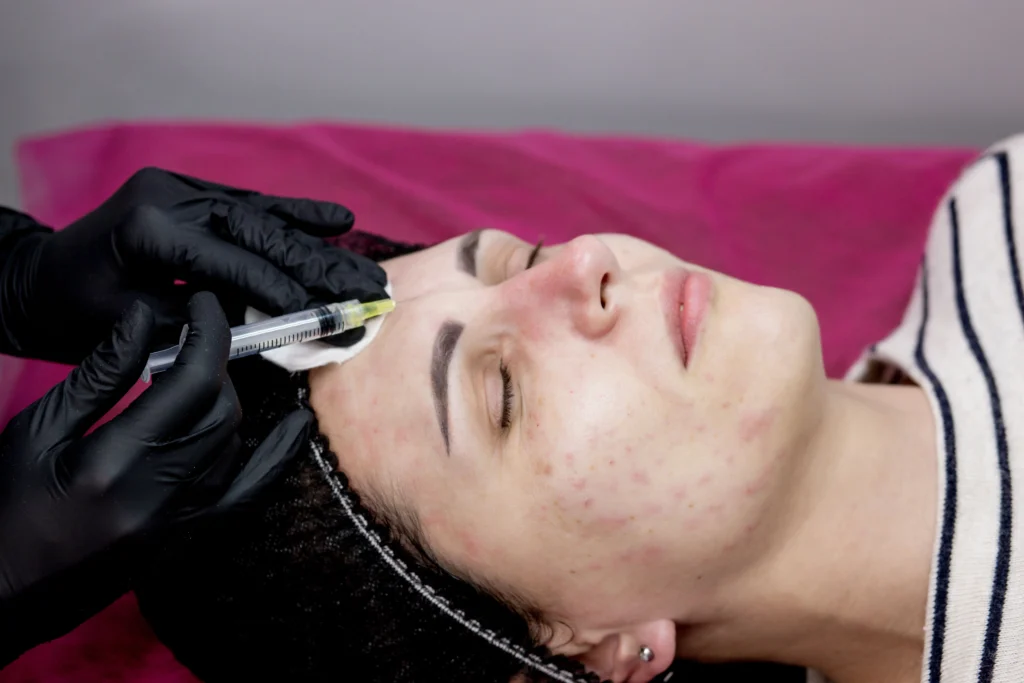
We start with a detailed consultation to check your scars and see if subcision suits you. We explain the procedure and may suggest combining it with treatments like PRP or fillers for better results.
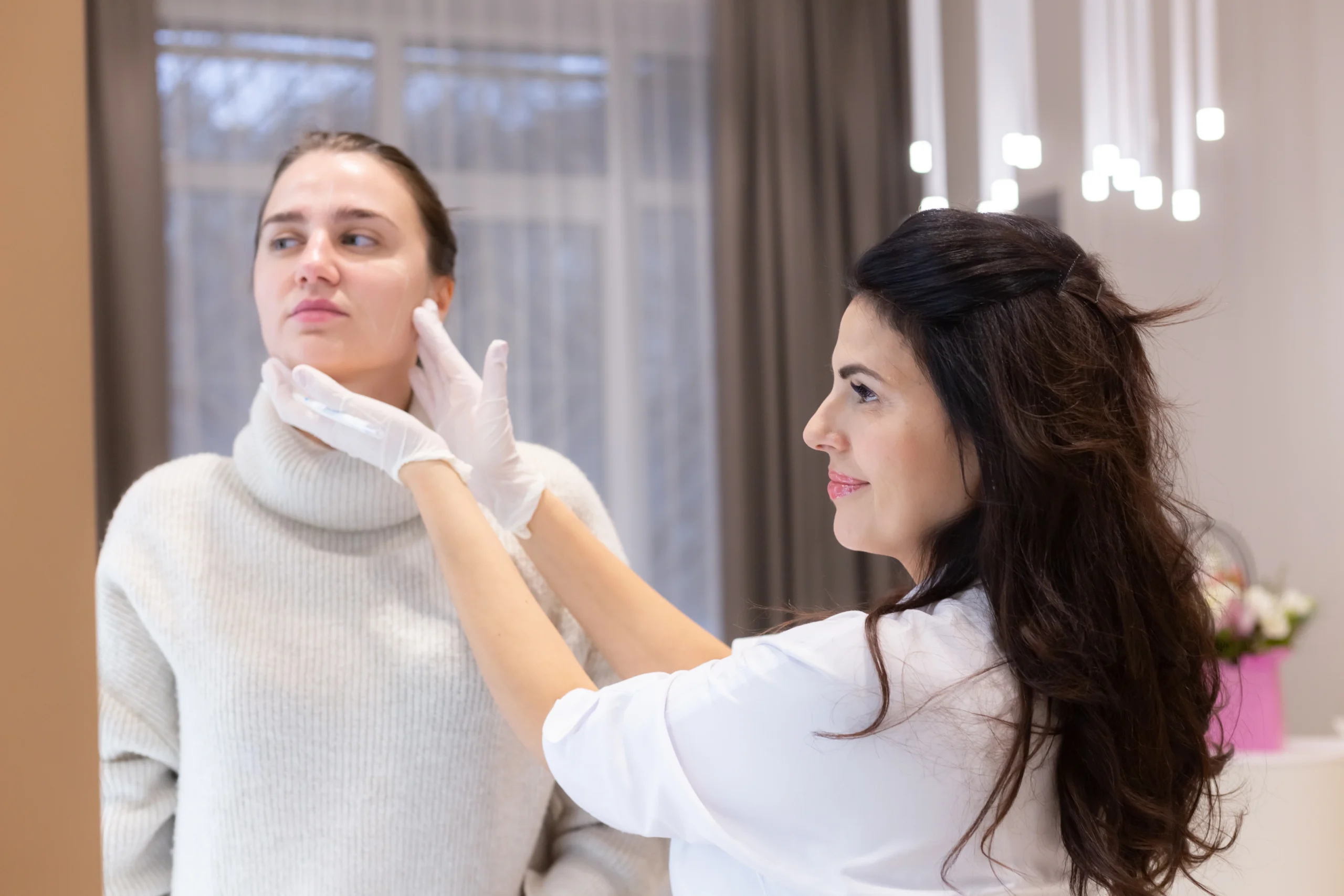
On treatment day, we numb the targeted scar areas with local anesthesia to keep you comfortable. You might feel a quick sting, then numbness sets in for a painless procedure.
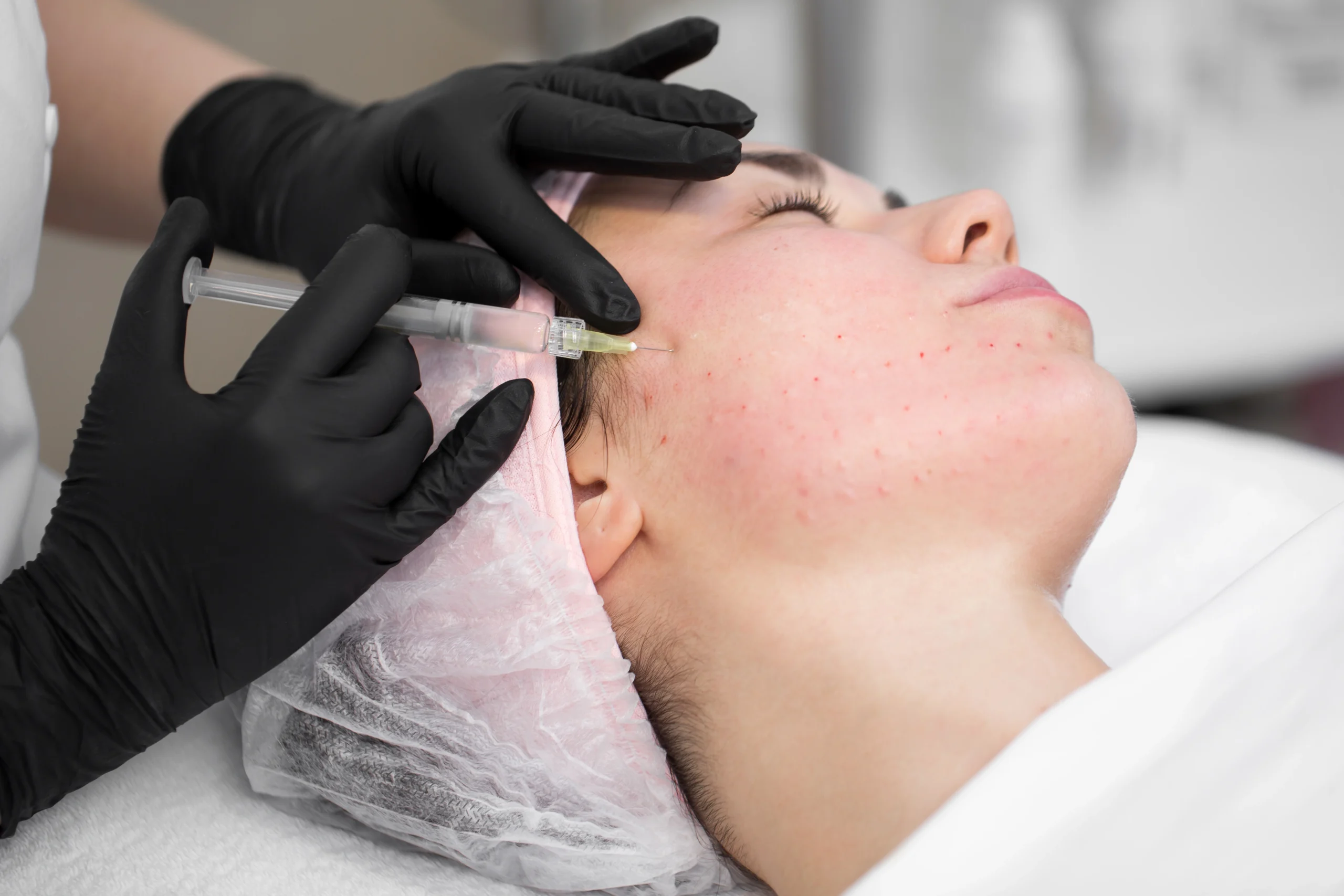
Using a special needle, the doctor gently releases the tight scar bands under your skin. You may feel slight pressure, but no pain. The skin lifts instantly as the scar tissue loosens.
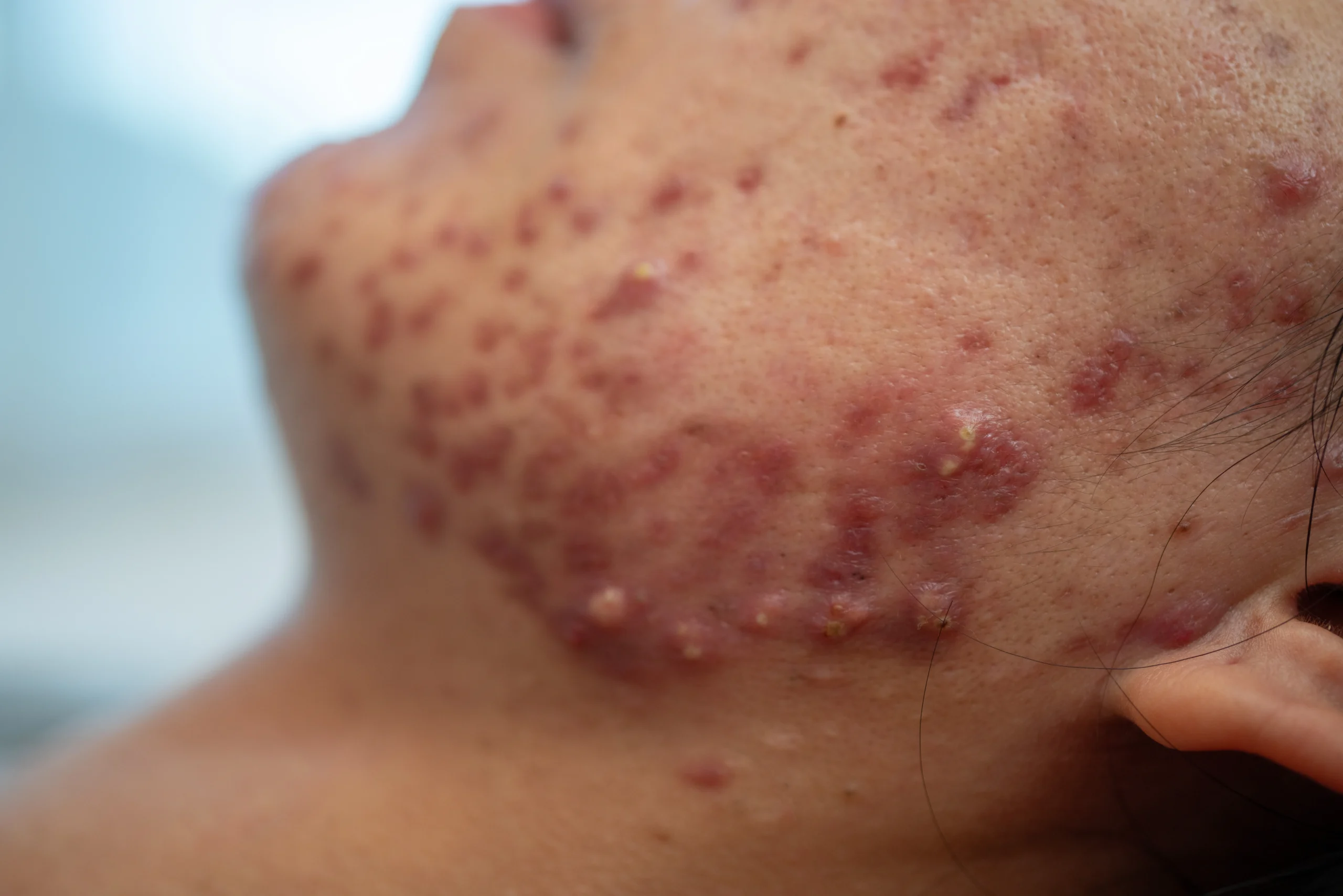
We apply gentle pressure and bandages to reduce bleeding and swelling. Sometimes, PRP or fillers are added for extra support and faster healing. The skin is cleaned, and antibiotic ointment is applied.
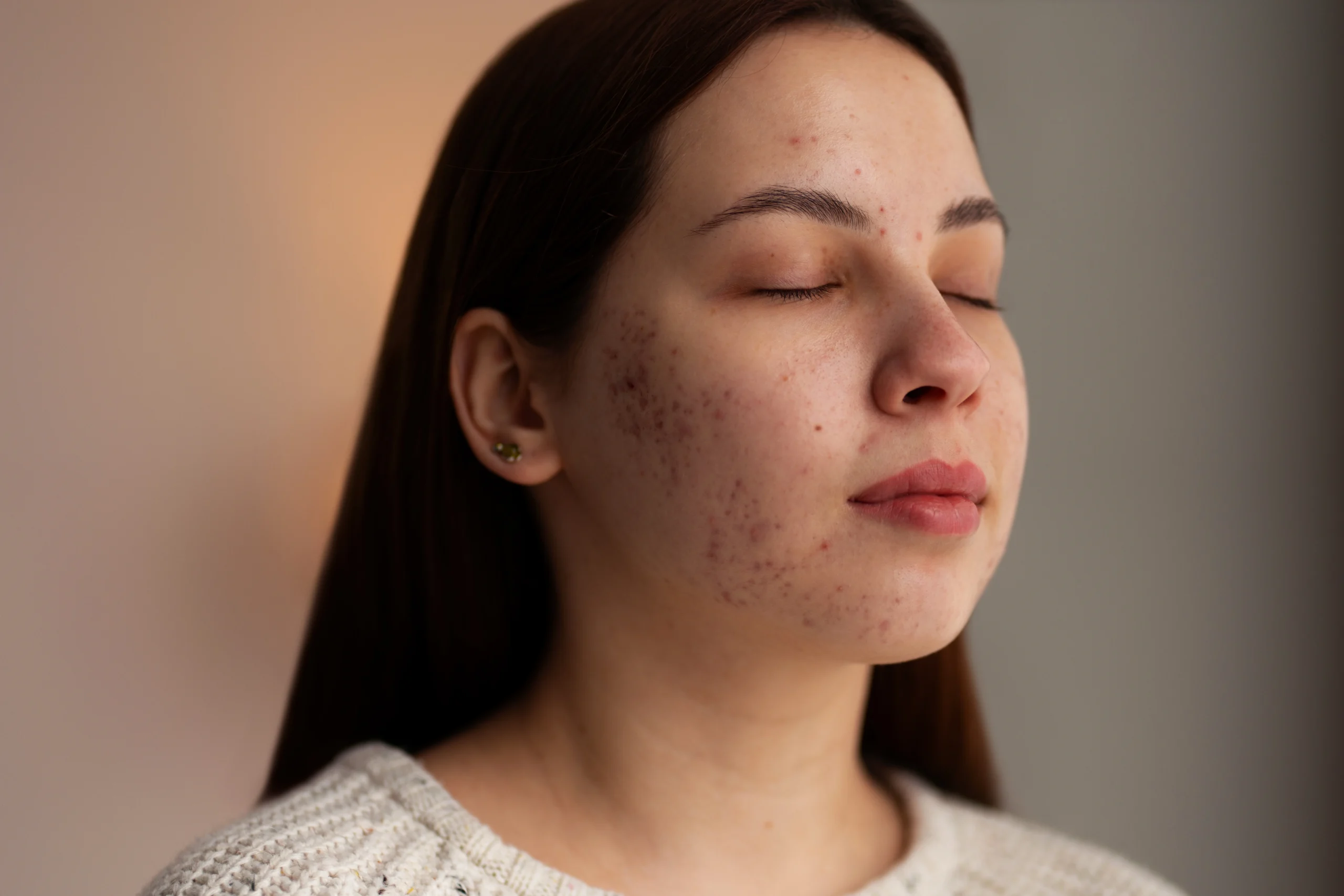
You’ll get simple care tips—avoid heavy exercise, apply ointment, and use ice to ease swelling. Bruising and swelling are normal and fade in a week or two. Follow-up visits help track healing, and more sessions may be recommended for best results.
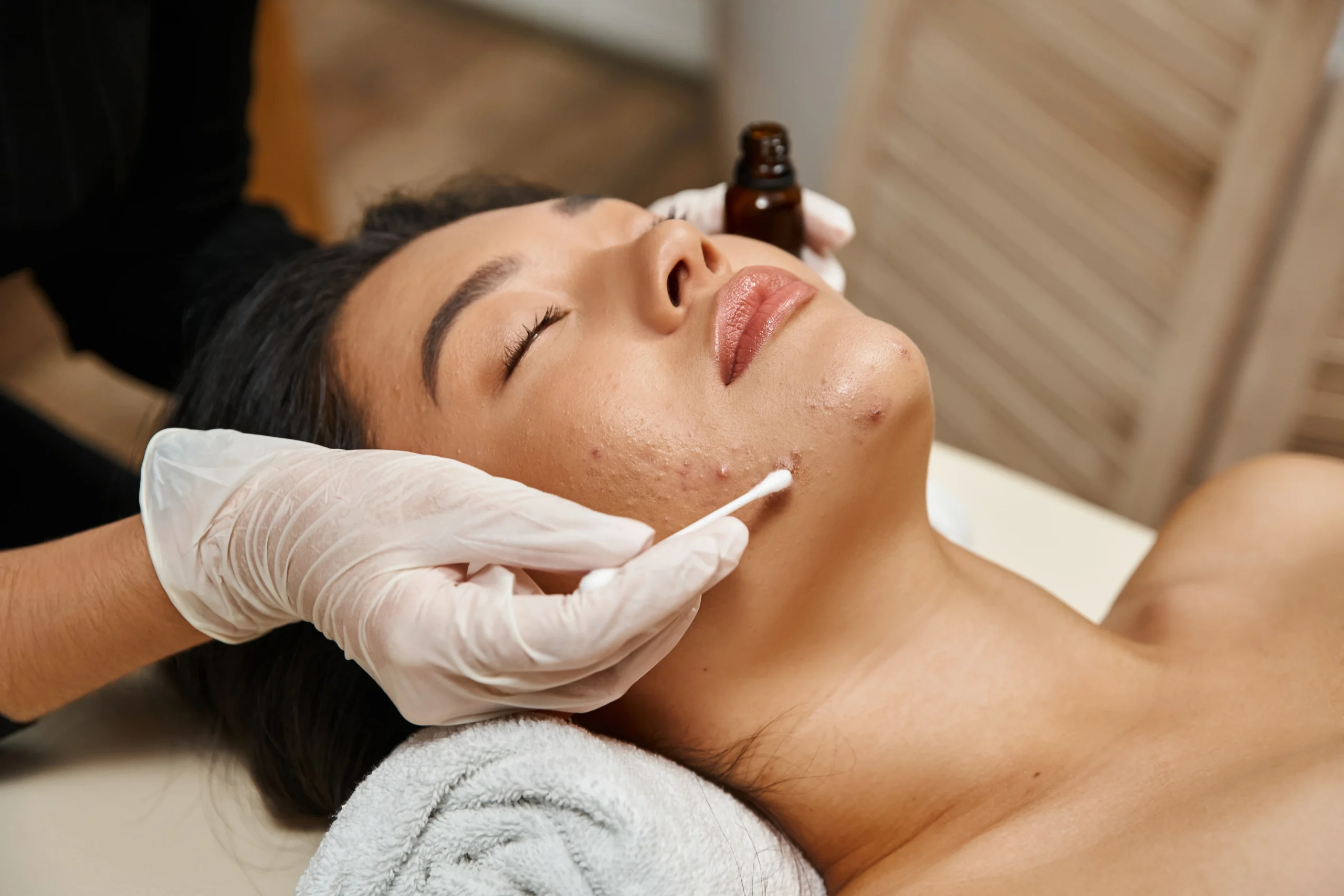
Most people need 1 to 3 sessions, spaced about 4 to 6 weeks apart, depending on scar depth and severity. For deep or widespread scars, subcision may be combined with PRP, filler, or laser resurfacing for best results.
Thanks to local anesthesia, discomfort is minimal. You might feel some pressure or tugging, but not sharp pain. After the procedure, mild soreness or swelling is normal and usually subsides within a few days.
Some lifting is noticeable right after treatment, with continued improvement over 2 to 3 months as collagen builds and healing progresses. Skin texture keeps improving with each session.
Subcision is especially effective for rolling and boxcar scars, which are caused by fibrous bands pulling the skin down. It’s less effective for ice pick scars, which often need other treatments like TCA CROSS or microneedling.
Yes, it often works best when combined with PRP (to accelerate healing), dermal fillers (to support the lifted area), or resurfacing treatments like lasers or peels. This combination approach delivers more dramatic and lasting results.

Experience premium skincare treatments that are both effective and affordable.


Trusted aesthetic care powered by Canadian, FDA-approved technology — available across Pakistan.
© 2026 Bioflexaesthetics. All Rights Reserved.
Designed by Nanolix Digital
