
Written by: BioFlex Aesthetics Editorial Team
Reviewed by: Dr Aneeqa Fayyaz
Credentials: MBBS, Dermatologist/Aesthetic Physician
PMDC Registration: 83250
Medically Reviewed: October 2026
PRP gets talked about as a scar treatment on its own, drawn from your own blood, spun down to concentrate the growth factors, then reintroduced into the skin to encourage repair. The mechanism is real. What’s less straightforward is whether PRP by itself does much for acne scarring, or whether it needs to be paired with something else to make a real difference.
How PRP is supposed to help scars
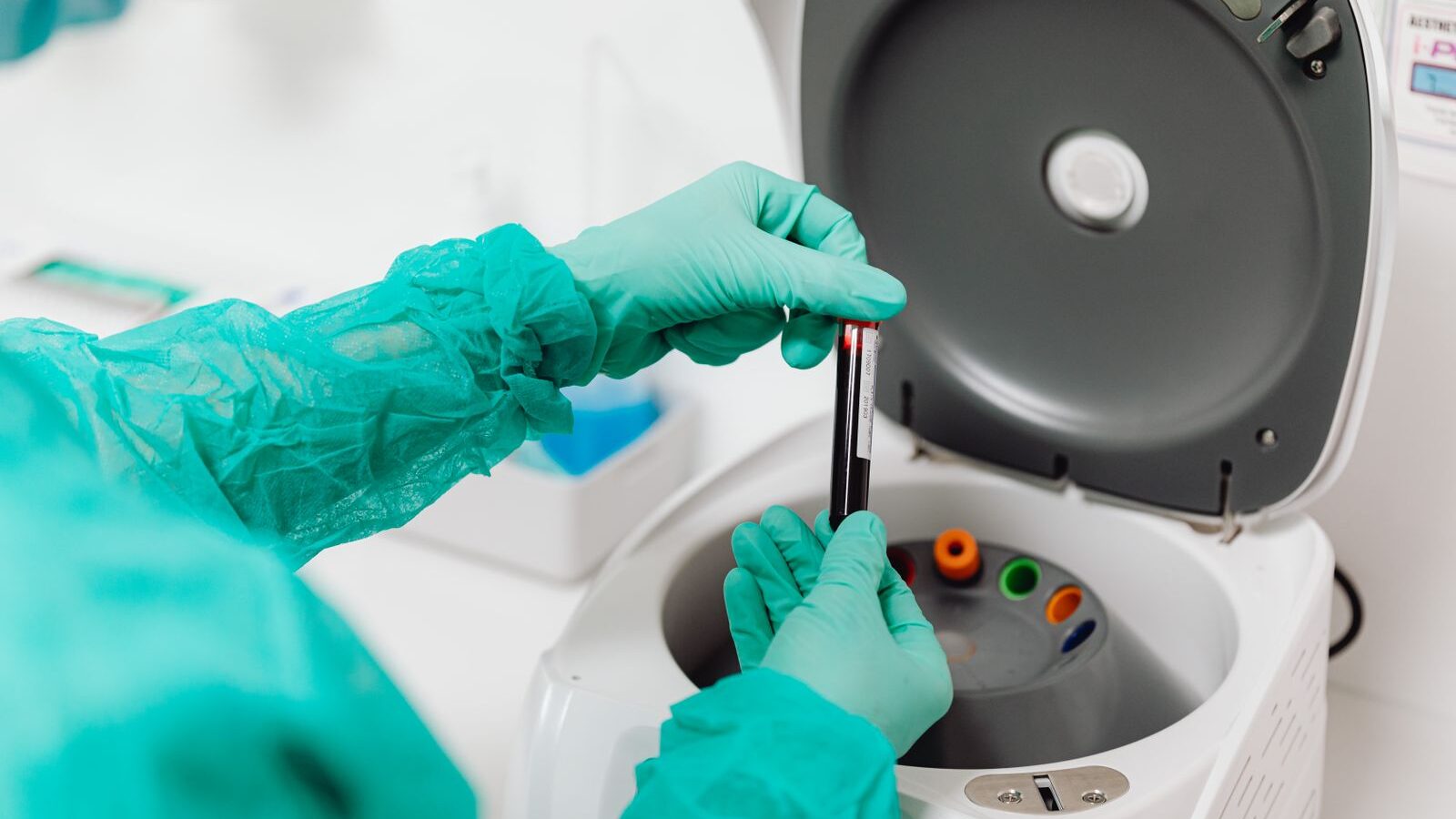
Platelet-rich plasma is prepared from a small blood draw, spun in a centrifuge to concentrate the platelets, which carry growth factors involved in tissue repair and collagen production. For scarring, the plasma is either injected directly into the treatment area or applied to the skin right after a treatment that creates micro-channels, most often microneedling, so it can reach deeper into the tissue than a topical application would on its own.
Because it’s made from your own blood, the safety profile is strong across skin tones, including darker, melanin-rich skin, since there’s no heat, light, or foreign substance involved that could trigger pigmentation changes.
What the evidence says about PRP alone
A meta-analysis of controlled studies found that microneedling combined with PRP outperformed microneedling without it for acne scarring, and a separate study comparing microneedling alone, PRP injections alone, and the two combined found the combination gave better results than either approach on its own.
PRP used entirely by itself, without pairing it with microneedling or another resurfacing treatment, has thinner supporting evidence. Some individual studies show benefit, but a broader review of the research called the data on microneedling-plus-PRP against microneedling-alone “inconclusive” overall, even while pointing to PRP’s clear advantage when combined rather than skipped.
The pattern across the research is fairly consistent even where individual results vary. PRP’s role is to boost what a resurfacing treatment already does. It isn’t a replacement for one.
Where that leaves your treatment plan
If your scarring involves real texture change, rolling scars, boxcar scars, or general uneven skin from old acne, the treatment doing the heavy lifting is still RF microneedling or a comparable resurfacing method. Adding PRP to that treatment gives your skin extra growth factors to work with during healing, and the research above suggests that meaningfully improves the outcome compared to the resurfacing treatment alone.
For scarring specifically, BioFlex would recommend pairing PRP with microneedling or another resurfacing treatment rather than booking it alone in hopes it resolves scarring by itself. PRP still has a place for general skin rejuvenation and hair restoration on its own, but scarring is a different use case with a different evidence base.
What a combined PRP and microneedling course looks like
Most protocols in the research used three to four combined sessions spaced around four weeks apart, similar to a microneedling-only schedule, with the PRP applied during or immediately after each session. Downtime mirrors microneedling’s own recovery, typically a day or two of redness.
At BioFlex, Face PRP starts from PKR 10,000 per session, and pricing depends on whether it’s paired with RF microneedling or another treatment as part of your plan. Our acne scar treatment cost guide breaks down how PRP combinations compare to other options.
Frequently asked questions
Does PRP alone remove acne scars?
The evidence doesn’t strongly support PRP as a standalone scar treatment. It shows its best results when combined with microneedling or a similar resurfacing treatment.
Why would I add PRP to microneedling instead of just doing microneedling?
Research comparing the two shows PRP added to microneedling tends to outperform microneedling alone, since the growth factors support the skin’s healing response during the same window the microneedling triggers collagen production.
Is PRP safe for South Asian or darker skin?
Yes. Since it’s made from your own blood with no heat or light involved, it carries a low risk of the pigmentation changes that come with more aggressive laser-based treatments.
How many sessions does a PRP and microneedling course usually take?
Most research protocols used three to four sessions spaced about a month apart, similar to a standard microneedling schedule.
Is there any downtime with PRP?
Downtime is similar to whatever treatment it’s paired with. Combined with microneedling, expect a day or two of redness.
Ready to find out if PRP fits your treatment plan?
A consultation can confirm whether PRP paired with RF microneedling makes sense for your scarring, or whether a different combination fits your skin better. Book an assessment at BioFlex Aesthetics in Islamabad, Karachi, Peshawar, or Rawalpindi.
Clinical sourcing
- Meta-analysis of controlled studies: microneedling combined with PRP more effective than microneedling alone for acne scars (PMC8882957). Kang C, Lu D. Frontiers in Medicine, 2022. https://pmc.ncbi.nlm.nih.gov/articles/PMC8882957/
- Ismail et al. (2022), comparing microneedling alone, intradermal PRP alone, and combined microneedling with PRP for atrophic post-acne scars, 30 patients: combination outperformed either single approach. Dermatologic Therapy, 35(12): e15925. https://onlinelibrary.wiley.com/doi/full/10.1111/dth.15925
- Dermatology Times review of the broader literature, noting data on microneedling-plus-PRP versus microneedling-alone is mixed across individual studies overall, included here for balance rather than presenting the evidence as more settled than it is. https://www.dermatologytimes.com/view/adjunctive-platelet-rich-plasma-may-improve-acne-scars
