Chemical Peel Treatment in Pakistan

Professionally formulated chemical peels at Bioflex Aesthetic — designed for South Asian skin tones and the unique climate of Islamabad, Rawalpindi, Karachi & Peshawar.

What Is a Chemical Peel?

A chemical peel is one of the most trusted and time-tested skin resurfacing treatments in modern aesthetics. At Bioflex Aesthetic, our medical-grade chemical peels use carefully selected acidic formulations applied to the skin’s surface to gently exfoliate dead cells, unclog pores, and stimulate the natural regeneration of fresh, healthy skin underneath.
Whether you’re dealing with stubborn pigmentation caused by Pakistan’s intense sun, acne scars from years of breakouts, or simply dull, uneven skin tone — a chemical peel is one of the most effective, minimally invasive solutions available today.
Our peels are expertly customised for South Asian and Pakistani skin tones, taking into account the specific concerns of melasma, sun damage, and acne-prone skin that are incredibly common in our region’s hot and dusty climate.

0 +

Patient Satisfaction

0 +

Years Of Experience

0 +

State Art Facilitie

How Does a Chemical Peel Work?

A chemical solution is precisely applied to your skin, which causes a controlled exfoliation of the outer and mid-skin layers. As these damaged layers shed over the days following the treatment, your body produces fresh new skin cells — resulting in visibly smoother texture, reduced pigmentation, and a more even, radiant complexion.

The process at Bioflex Aesthetic:

01

Skin Consultation

Our trained aesthetician or doctor assesses your skin type, tone, and concerns to select the right peel strength.

02

Skin Preparation

Your face is thoroughly cleansed and prepped to ensure even absorption of the peeling agent.

03

Peel Application

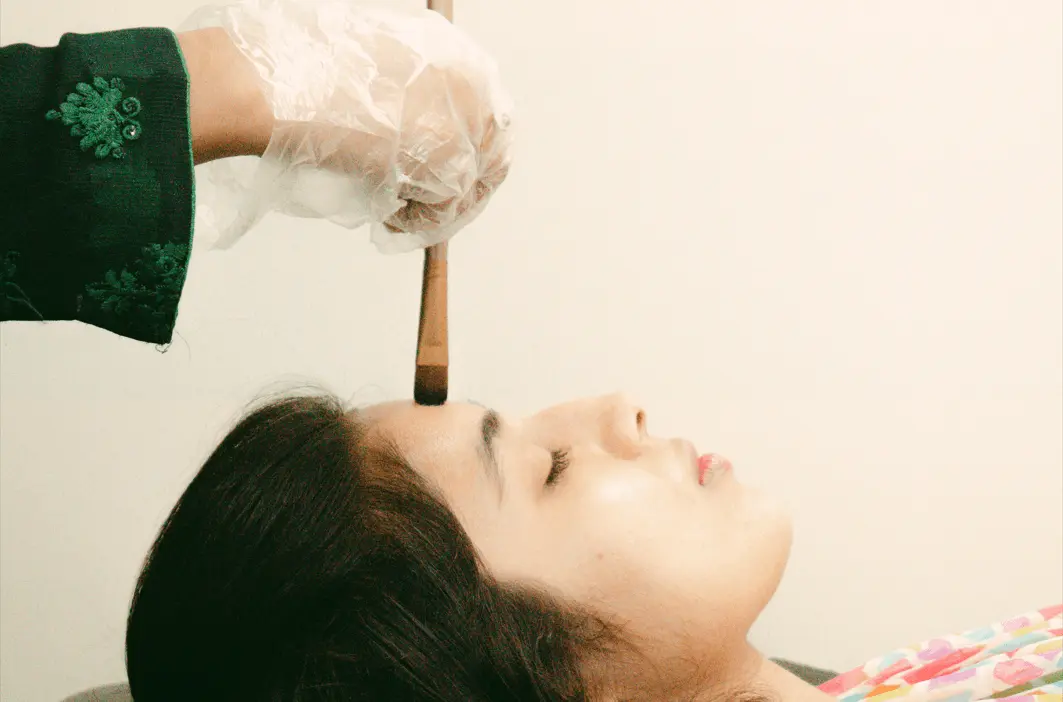
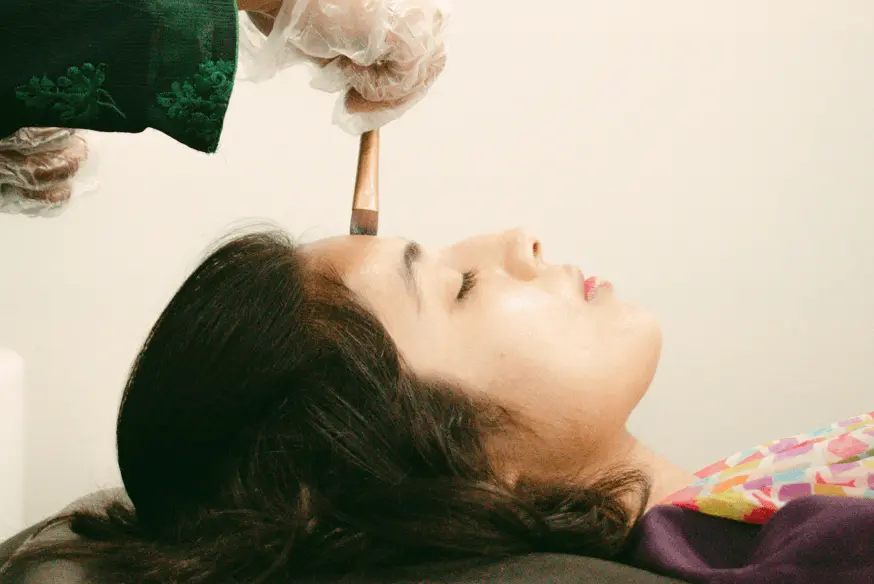
The chemical solution is applied evenly across the treatment area.

04

Neutralisation

The peel is carefully neutralised at the right time to control depth and prevent irritation.

05

Soothing & Protection

A calming serum and SPF are applied post-treatment to protect the fresh skin.

06

Aftercare Guidance

You'll receive a personalised aftercare plan tailored to Pakistan's climate.

Session Duration: 30–45 minutes Downtime: 1–7 days depending on peel depth

Types of Chemical Peels We Offer

Superficial / Light Peel

Best for: Dullness, mild pigmentation, uneven skin tone, rough texture Common Agents: Glycolic Acid (AHA), Salicylic Acid (BHA), Lactic Acid, Mandelic Acid A light peel targets only the outermost layer of skin (the epidermis). It’s ideal for first-time peel clients or those with sensitive skin. Downtime is minimal — usually 1 to 3 days of mild flaking. This is also one of the most popular treatments in our Islamabad and Rawalpindi clinics for clients who want a quick skin refresh before events or weddings. Results: Brighter complexion, smoother texture, reduced pore size

Medium-Depth Peel

Best for: Moderate pigmentation (melasma), acne scars, fine lines, sun damage, uneven skin tone Common Agents: Trichloroacetic Acid (TCA), Jessner’s Solution

A medium peel penetrates beyond the epidermis into the upper dermis, delivering more dramatic and longer-lasting results. This is our most in-demand peel at our Karachi and Rawalpindi clinics. Expect 4–7 days of peeling and some redness, but the results — significantly clearer, more even skin — are well worth it.

Results: Significantly reduced pigmentation, smoother skin, reduced acne scars, firmer skin texture

Combination / Specialty Peels

Best for: Specific skin concerns including melasma, active acne, aging skin, and deeper pigmentation Examples: VI Peel, Yellow Peel, Obagi Blue Peel, Retinol Peel
These advanced peels combine multiple active ingredients to target several concerns simultaneously. They are especially effective for Pakistani skin types that deal with mixed concerns such as melasma combined with acne-prone skin.
Results: Multi-dimensional improvement — pigmentation, texture, hydration, and firmness.

Skin Concern Recommended Peel Type
Hyperpigmentation & Melasma Medium / Combination Peel
Acne & Active Breakouts Salicylic Acid (Light Peel)
Acne Scars & Marks TCA Medium Peel
Dull & Uneven Skin Tone Light Peel / Lactic Acid
Fine Lines & Early Wrinkles Glycolic / Medium Peel
Sun Damage TCA / Combination Peel
Large Pores Salicylic / BHA Peel
Rough or Textured Skin Glycolic / Lactic Peel
Dark Circles (Periorbital) Mandelic Acid Peel
Neck & Décolleté Pigmentation Combination Peel

Before and Aftercare

Before Your Chemical Peel — What to Do

  • Avoid direct sun exposure for at least 1 week before treatment
  • Discontinue retinol/tretinoin, AHAs, and exfoliating products 5–7 days prior
  • Do not wax or thread the treatment area 48 hours before
  • Stay hydrated and keep skin moisturised in the days leading up to your session
  • Inform your doctor of any medications, especially blood thinners or acne treatments

After Your Chemical Peel — Aftercare Tips

The first 7 days are critical. Following your aftercare routine properly will determine the quality of your results.

  • Do not pick or peel the skin. Let it shed naturally to avoid scarring.
  • Apply a gentle, fragrance-free moisturiser 2–3 times daily to keep skin hydrated.
  • Use SPF 50+ sunscreen every single day — this is non-negotiable, especially in Pakistan’s climate.
  • Avoid direct sunlight and wear a hat when outdoors.
  • Do not use harsh exfoliants, retinol, or acids until fully healed.
  • Skip makeup for at least 24–48 hours (or as advised by your clinician).
  • Avoid sweating heavily — no intense exercise, steam rooms, or saunas for 5–7 days.

How Many Sessions Will I Need?

The number of sessions depends on the depth of the peel and the severity of the concern being treated:

  • Light / Superficial Peels: A series of 4–6 sessions spaced 2–4 weeks apart is recommended for optimal results. Many clients continue with monthly maintenance sessions.
  • Medium-Depth Peels: Typically 2–3 sessions spaced 6–8 weeks apart, depending on skin response and target concern.
  • Specialty / Combination Peels: Often effective with 1–3 sessions spaced 4–6 weeks apart.

Results from a single session are often visible within 1–2 weeks. Full results are typically seen after the recommended course of treatment.

Frequently asked questions

Yes — when performed correctly by a trained professional. Darker skin tones (Fitzpatrick IV–VI) require specific peel formulations and concentrations to minimise the risk of post-inflammatory hyperpigmentation (PIH). At Bioflex Aesthetic, our team is specifically trained for South Asian skin.

You may feel a mild tingling, warming, or stinging sensation during the application, which usually subsides within a few minutes. The sensation depends on the peel strength — light peels are very well tolerated, while medium peels may feel slightly more intense. Topical numbing cream is available if needed.

Peeling typically begins 2–3 days after treatment and continues for 3–7 days, depending on the peel depth. Do not pick the skin — allow it to shed naturally.

Chemical peels can be performed year-round; however, strict sun protection is essential post-treatment. We advise extra caution during summer months in Pakistan. During Ramzan, dehydration can affect the skin's healing — we will advise you on timing accordingly during your consultation.