
RF Microneedling

RF Microneedling combines fine needles with radiofrequency energy to rebuild collagen from within, treating acne scars, enlarged pores, and uneven texture. Available at Bioflex Aesthetics in Islamabad, Rawalpindi, Karachi, and Peshawar.

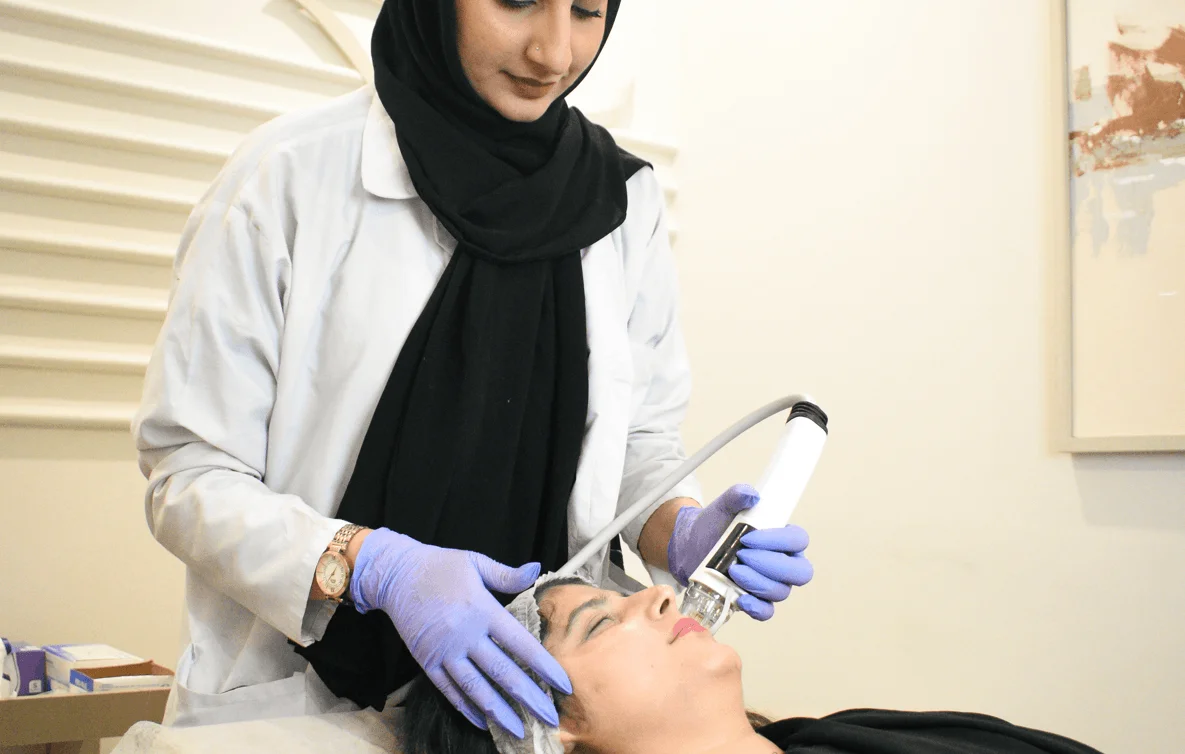
RF microneedling treatment being performed on a woman’s face

What is RF Microneedling?

RF Microneedling pairs traditional microneedling with radiofrequency energy delivered through the same needle tips. The needles create controlled micro-injuries in the skin, and the radiofrequency energy heats the deeper dermal layer at the same time. That combination triggers a stronger collagen response than microneedling alone, since the skin is responding to both a mechanical injury and a thermal one. The treatment is commonly used for:
  • Acne scars, including rolling and boxcar types
  • Enlarged pores
  • Uneven skin texture
  • Mild skin laxity
  • Early fine lines

A systematic review of RF microneedling studies for acne scarring found meaningful improvement in scar grading, with one study reporting that over 80% of patients moved up at least two grades on standard scar scoring. That evidence matters here specifically because most Bioflex patients have Fitzpatrick skin types III to V, and a separate review focused on skin of color found a low rate of post-inflammatory hyperpigmentation, a common concern with more aggressive laser treatments on melanin-rich skin.

Results build gradually and vary by scar type and skin condition. RF microneedling softens and improves scarring, but it does not erase scars completely, and most people need a course of sessions rather than a single visit.

Tiny needles, natural healing, smoother-looking skin.

Built for skin that scars easily

Collagen from two directions

The needles trigger a natural healing response, and the radiofrequency energy adds heat at a controlled depth at the same time. Neither mechanism does the job on its own.

Lower pigmentation risk

Because the energy bypasses the skin’s surface, it carries a lower risk of post-inflammatory hyperpigmentation than ablative lasers, an important factor for South Asian skin tones.

Minimal downtime

Most people return to normal activities within a day or two, with only mild redness in the meantime.
0 +

Happy Clients

0 +

Years Of Experience

0

Clinic Locations

Who is a good candidate for RF Microneedling?

RF Microneedling suits men and women dealing with:

Who should avoid RF Microneedling

RF Microneedling is generally well tolerated, but it isn’t the right fit for everyone. You may not be a candidate if you have:
  • An active skin infection or open wound in the treatment area
  • A pacemaker or other active electronic implant
  • A history of keloid scarring, without prior consultation
  • Are pregnant or breastfeeding
Your practitioner will review your medical history during your consultation to confirm you’re a good candidate.

Your RF Microneedling journey at Bioflex Aesthetics

01

Consultation

Visit any of our clinics in Islamabad, Rawalpindi, Karachi, or Peshawar. Our practitioner assesses your scar type and skin condition and builds a session plan around your goals.

02

Numbing

A topical numbing cream is applied to the treatment area and given time to take effect, since this keeps the session comfortable.

03

RF Microneedling treatment

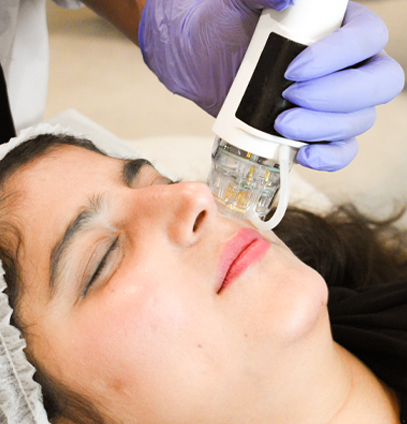
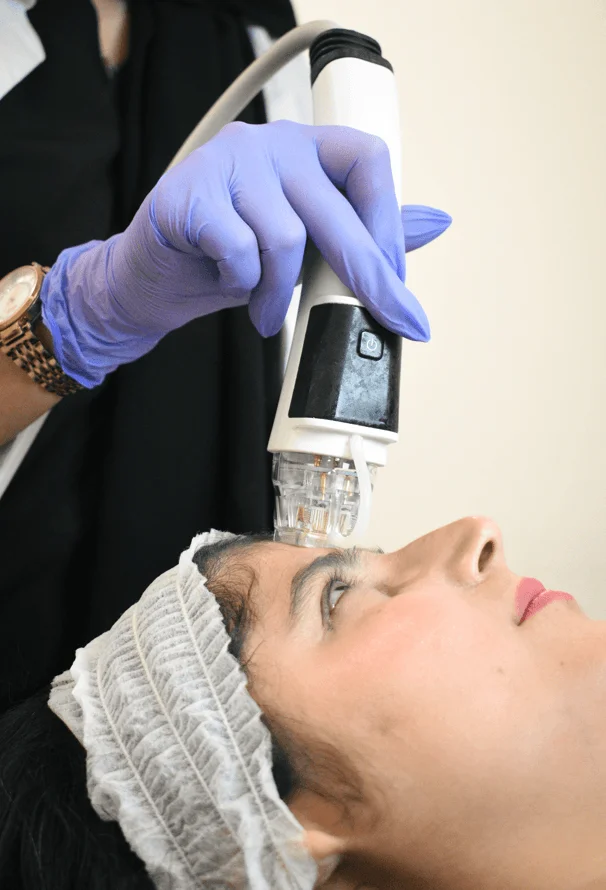
The device is passed over the treatment area, delivering fine needles and radiofrequency energy together. Sessions typically take 30 to 45 minutes, depending on the area treated.

04

Aftercare

A soothing serum or moisturizer is applied afterward. You may notice redness or mild swelling for a day or two, which settles on its own.

05

Follow-up

Results build over several weeks as collagen production continues. Most people need three to four sessions spaced four to six weeks apart for full results.
Why choose Bioflex Aesthetics for RF Microneedling?

Our practitioners tailor needle depth and RF intensity to your specific scar type and skin tone, rather than using a single fixed setting for everyone. Whether you’re at our Islamabad, Rawalpindi, Karachi, or Peshawar clinic, the protocol and standards stay the same.

Frequently asked questions

Most people feel mild discomfort. A numbing cream is applied beforehand to keep the session comfortable.
Most patients need three to four sessions, spaced four to six weeks apart, for noticeable improvement in scarring and texture.
Yes. Because the energy works beneath the skin's surface rather than relying on light-based heat, it carries a lower risk of pigmentation changes than ablative lasers, which is supported by clinical research specific to skin of color.
Results typically build over several months and can last a year or more, depending on skin condition and maintenance.
Minimal. Most people return to normal activities within 24 to 72 hours, with some redness during that period.
Usually not completely, but scarring can be significantly softened and skin texture noticeably improved. Most dermatologists describe the realistic goal as improvement rather than full removal.